Hormone Havoc! Dispelling the Myths

There comes a time on our lives, and it usually sneaks up on us sooner than we expect or care to realize, in which we start feeling just a bit “off”. We’re more tired than usual, we start to gain weight without explanation (where did that belly come from!); our moods shift and we get a trifle snappy, to put it mildly. We get overly anxious, and we just don’t feel like ourselves! As the years pass, these symptoms tend to get worse, and we seek answers from our primary care practitioners; walking away more confused than ever with a hand full of prescriptions for anti depressants, anti-anxiety medications and sleeping pills! “You’re just stressed out!” we are told!

Conceivably, we may be stressed out, but have you ever thought your hormones could be wreaking all of this havoc? Well, before you start filling those prescriptions, and pop those pills, my advice is this: pay attention to your gut instinct that things aren’t quite right and do a bit of research! It may save your life….

Ah, hormones, that perplexing word we’ve become conditioned to fear. “They cause cancer!” “They cause heart attacks and strokes!” we’ve heard. How can we decipher fact from fiction? What is the difference between natural methods, prescription therapies and what is really safe and effective? Moreover, who can we trust to impart us with the correct information? Here are some answers to those questions:

What is the difference between “bio-identical” and “synthetic” hormones?

 By “bio-identical” we mean that the structure of the hormone is perfectly matched to the hormone produced in a woman’s body. They are plant-based, natural substances that our bodies can metabolize in the way it was designed, minimizing side effects. These compounded bio-identicals can be matched to each woman’s unique needs, something that’s impossible with mass-manufactured products.

Synthetic hormone replacement therapies are either a horse’s hormone or an artificially formulated one that is intentionally manufactured to be slightly different from human hormone in order to patent it.

The best analogy to compare the two is to look at hormones and the receptors that they work within the body as a lock and key. The lock is the receptor on the cells that the hormones act upon, and the key is the hormone itself. The bio-identical “key” fits perfectly in the lock, therefore providing the exact use that is intended by the human body, thus reducing untoward side effects. Traditional synthetic hormone “keys” do not fit the lock well, and as a result do not provide the exact action intended. Worse, they can activate negative processes in the body that can have devastating, lifelong consequences such as stroke, breast cancer, cardiovascular disease, and others!

I want a natural alternative, but I’ve heard mixed reviews about the different methods.

 Most bio-identical hormone delivery methods: creams, pills, injections and even miniscule capsules do not provide the balanced hormones that factor into good health. Creams are messy, have to be put on daily, and if you travel, what a pain! Patches are a bit better, but the absorption of any skin-based method is variable, and often we loose sensitivity over time and need to search for a new spot to rub the cream or stick the patch.

Hormone pellets on the other hand, placed under the skin, deliver a constant stream of hormones into your bloodstream twenty-four hours a day, seven days a week in a way that mimics your body’s natural release of hormone. Having been researched and developed since the 1930’s, they are also the most widely studied form of bio-identical hormone replacement therapy (HRT).

 I’ve heard about estrogen and progesterone, but women need testosterone too?

 Estrogen is a woman’s most important hormone. Without hormone replacement therapy, the loss of estrogen puts her at increased risk for premature ovary failure, osteoporosis, heart disease, colon cancer, Alzheimer’s disease, tooth loss, impaired vision, Parkinson’s disease and diabetes. The longer a woman is without the protection of her own estrogen, the greater the risk for serious health consequences of these conditions.

However, testosterone hormone therapy gives a woman her mental clarity, libido and muscle tone and mass. When this hormone is at low levels, women often complain of mental confusion, weight gain and poor muscle growth even with regular exercise. The effect of hormone deficiency on the brain, muscle, bone, heart and metabolism can be significant without hormone replacement therapy for women and dangerous to long-term health. The brain needs normal amounts of testosterone in balance with estrogen to produce serotonin, which supports emotional balance. When lacking in these hormones, a woman will experience emotional instability that often results in increased anxiety, irritability, sleep disturbances, anger, sadness and depression.

Why do I need these hormones? What if I’m past all that “hot flash stuff”?

 Hormone fluctuation and depletion wreaks havoc in the body! Research evidence repeatedly points to the relationship between hormonal imbalance and an increased risk for developing cancer, osteoporosis, stroke, thyroid disorders, diabetes, heart disease and other age-related disease processes.

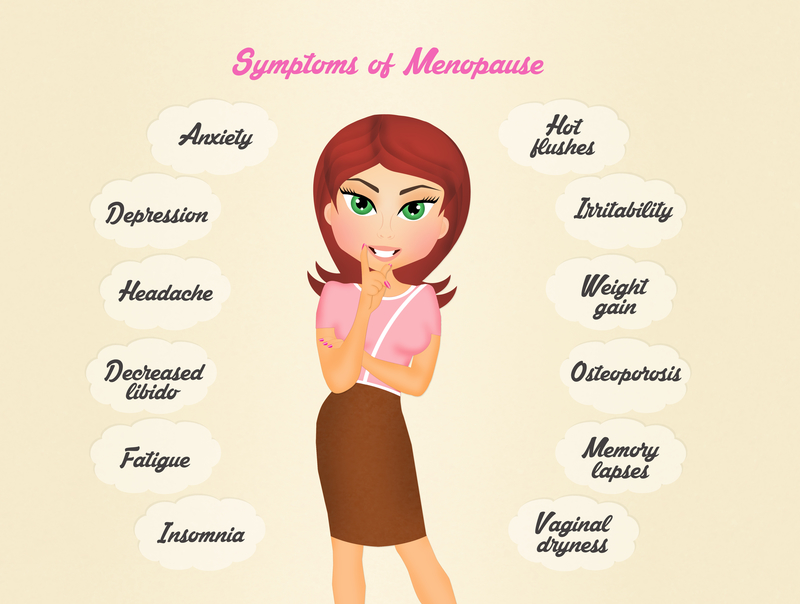
During pre-menopause, menopause and andropause (the male version of hormone depletion), it’s actually considered the norm for men and women to experience a decline in health. You’re also more likely to experience problems like depression, anxiety, memory loss, hot flashes, sleep disturbances, libido issues, and sexual dysfunction, to name just a few. Who wants to feel all of that in our “golden years”? This is not “normal” and who wants to feel “normal” for their age?

And ladies hear this: Hormone imbalance starts 10-15 YEARS before hot flashes! So don’t use that as an indicator of your hormone balance!

Again, pay attention to that little voice that is telling you “things aren’t quite right”, those inner voices are usually spot on! Most importantly, you want to find a highly trained practitioner who will not only listen to your specific fears and concerns, but who understands the intricate nature of hormone BALANCE….that is the key.

                                                                                   Copyright © Terri J. DeNeui 2016

Effects of Hormones on Weight Loss

The trajectory of worldwide obesity rates has been on a steady climb for more than 30 years. According to the Center for Disease Control (CDC), the federal agency charged with tracking the incidence of disease in America, more than 35 percent of U.S. adults are clinically obese. This translates to more than 80 million people.

Obesity-related medical conditions include heart disease, stroke, Type 2 diabetes and certain types of cancer and these are some of the leading causes of preventable deaths. Plus, the cost of obesity is staggering. The CDC estimated the annual medical costs of obesity in the U.S. was $147 billion and the medical costs for people who are obese were $1,429 higher than those of normal weight.

Sterile statistics often obscure the human misery of obesity. Being chronically overweight takes a serious toll on the health and happiness of those it affects. Just ask Brandy Prince of Rockwall, Texas.

“I just got to the point where I felt terrible.”

The Former Brandy Prince

“I tried just about every program you could try in order to lose weight,” Brandy said. “I tried Weight Watchers, Jenny Craig, diet pills and had some success, but I had trouble sticking with anything. I just got to the point where I felt terrible – a lot of body aches and fatigue. Plus, I was seeing a physical therapist, acupuncturist and chiropractor to deal with the muscle and joint stress from that extra weight I was carrying around.  Since I have two young children, I wanted to be present and active for them, even after a long work day.

“The part of the Hormonal Health & Wellness program that I liked was its individualized approach. They figured out what would work for my specific situation and took into consideration what my goals were.”

What part did unbalanced hormones play in her struggle with obesity?

“We know that when hormones are out of whack, any efforts to lose weight will have us hitting our heads against the wall,” she said. “In my case, getting the thyroid hormone optimized was helpful. Plus, getting my testosterone levels up gave my lean muscles the opportunity to burn fat.

“Cleaning up my gut was also important. The first thing I had to do was clean up my diet and get some good probiotics on board. I started with a 10-day detoxification program.

“About six months ago, my weight was 208 pounds,” she said. “And I was miserable! After cleaning up my diet, I went into the ‘Healthy Transformations’ program, which is a ‘Paleo’ type diet supported by supplements.

The New Brandy Prince

“After 12 weeks, I had lost 59 pounds,” Brandy said. “It has been transformative, to say the least! The best part is how I’m feeling. I’ve gotten off of all kinds of medications that were needed for sleep, mood, and anxiety. I am thrilled to have had the support to lose the weight and keep it off. There’s not an area in my life that did not improve!”

How Brandy Succeeded

The nurse practitioner who led the team that helped Brandy lose almost 60 pounds is also the founder of Hormonal Health, Wellness and Aesthetic Centers, Terri DeNeui. She remembered Brandy’s struggle and ultimate triumph.

“She is really the poster-child for everything we do,” Terri said. “She had tried that ‘one trick pony’ approach to weight-loss and it didn’t work. She realized she needed to take an integrative approach which took into consideration all of the factors which were affecting her body weight.

“Brandy’s challenge was greater than just the food she was eating and her lack of physical exercise. She needed to optimize her hormones. When the hormones are out of balance, the cortisol levels go up and insulin resistance increases. This makes it very difficult to lose weight.

“Because some of the food we eat causes inflammation in our body, it is important for us to go through the detox program, like the one Brandy completed,” she said. “This allowed her to jump-start her lifestyle change.

“Our program also includes emotional and mental changes. This is the ‘mind shift’ aspect of the process which is so critical to success.

“It’s a whole-body approach,” Terri noted.

It Takes at Least a Year

A recent study at the University of Copenhagen noted that obese people have low levels of appetite-inhibiting hormones called GLP-1 and PYY. With weight loss, these hormones can be increased and this allows the individual to stop being hungry. Another important fact of this study is that the weight must be kept off for least one year. Terri explains why.

“This study shows why the people who take longer to lose weight keep the weight off,” she said. “They have a very successful lifestyle change.  If you notice, the people who do these quick diets and lose 50 pounds in six months, gain it all back after another six months. It just happens too fast.

“Quick-fix diets negatively affect the thyroid,” she said. “The thyroid hormone is the key to metabolism. When the thyroid is unbalanced, as it was with Brandy, you are not going to lose weight and it’s going to make it that much harder.”

Other Hormones Which Cause the Body to Shed Pounds

“Even if we don’t think of it as a hormone, Vitamin D has mechanisms that act as a hormone in the body,” Terri noted. “When Vitamin D levels are low, weight loss is more difficult and there are increases in the risk for Type 2 diabetes.

“Testosterone and estrogen are also important for weight-loss. All of the sex hormones are very important to this process. When we age and the testosterone levels decline and cortisol levels go up, the belly fat increases, especially among men.

“When our hormones are depleted, we’re tired,” she added. “We don’t feel like getting up and exercising. This also decreases the body’s serotonin level, which affects sleep.

“The primary message is this: there are many more factors to weight-loss than just ‘calories in and calories out.’”

We are What We Eat

What types of foods should be consumed and conversely avoided by someone who is trying to lose weight? Terri elaborates.

“Obviously, anything in a package, that you can unwrap, is not good for our bodies,” she laughed. “We were not created to consume ‘processed’ food.

Processed Food Stock“The most beautiful trend I have seen in healthy living and weight loss is the ‘Paleo’ diet. This diet  comes closest to the way our bodies were designed to eat. It’s fresh, seasonal food. The modern food production methods have caused a challenge.  We now have access to all foods, year round. Our bodies have evolved over millions of years and they were not ‘designed’ to eat all types of food at any time of the year.

“We offer Metagenics Medical Foods,” she said. “It is on the cutting edge of science-based food. It is FDA-approved as a medical food and has gone through intense scrutiny from the FDA. Metagenics has a team of doctors and nutritionists who create this food and their supplements go through a rigorous testing. It’s important to note that these supplements come from impeccable sources. It’s very dangerous to buy supplements such as fish oil at a big box retailer like Costco. You don’t know where it’s coming from.”

Terri summed up a good strategy for choosing food in a weight-loss program.“Another good rule of thumb is this: If you have a hard time pronouncing a word on a label, it’s probably not good for you!”

Hormones & Headaches

Anyone who has ever experienced a migraine headache understands how debilitating this searing, blinding pain can be.  A migraine is not simply a bad headache. It is much worse.

According to the Migraine Research Foundation, a migraine is “an extremely incapacitating collection of neurological symptoms which include a severe throbbing and recurring pain, usually on one side of the head. The attacks are often accompanied by one or more of the following: visual disturbances, nausea, vomiting, dizziness, extreme sensitivity to sound, light, touch and smell and tingling or numbness in the extremities or face.”

The foundation further notes that about 25 percent of migraine sufferers also have a visual disturbance called an “aura,” which usually lasts less than an hour. While migraines usually last between four and 72 hours, to the person who is experiencing the pain, it can seem like an eternity!

Medical experts have known for some time that migraines disproportionately affect women.  The Migraine Foundation estimates there are 28 million American women experiencing this excruciating condition each year and three times more women affected than men. However, until recently, experts have not completely understood why.

New ReseaEstrogen word written on the book and hormones list.rch on Estrogen Fluctuations and Migraines

This disparity in the incidence of this condition between men and women was the basis of recent research conducted by Dr. Jelena Pavlovic at Albert Einstein College of Medicine/Montefiore Medical Center in Bronx, New York and published in the medical journal Neurology. These researchers set out to uncover the links between estrogen fluctuations and an individual’s likelihood of experiencing a migraine. The theory they wanted to test is whether women whose estrogen levels drop more swiftly in the days before menstruation might be more at risk of developing migraines.

After reviewing this research and combining it with the anecdotal evidence from her own practice, Terri DeNeui, founder of Hormonal Health, Wellness & Aesthetic Centers, (now Evexias Medical Centers) had no doubt that hormone imbalances – especially estrogen – is a primary factor in the suffering of many women. To begin the discussion, she explained how estrogen affects women.

“Estrogen is secreted by the ovaries,” she said. “It plays a role in over 400 body functions. For example, it maintains collagen in the skin. It maintains the integrity of the gut health, which can impact colon cancer and bone loss. It is very “protective” of a woman’s health in many areas.

“While estrogen is primarily associated with menstrual cycles, by preparing the uterine lining during ovulation, it also plays an important role in many other parts of the body.”

Estrogen Treatment Offers Hope for Migraines

Dr. Pavlovic and her team discovered significant new information about estrogen’s effect on migraines. Terri explains.

“Interestingly, what these researchers concluded is what we experience in our practice every day,” she noted. “We see hundreds of women each month who are suffering migraines and estrogen is one of the most successful treatments we conduct.

“Many women are very sensitive to the estrogen fluctuation that occur a day or two after the peak estrogen level. This is typically after ovulation but before menstruation. Biologically, the drop in estrogen brings on the menstrual cycle. That precipitous drop in estrogen, before the menstrual cycle, can trigger many debilitating actions in a woman’s body. It is part of the Premenstrual Syndrome PMS and some women can get severe migraines from this reduction in estrogen.

“We also see this occur in perimenopausal women,” she said. “This is the time when women have extreme fluctuations in their estrogen levels.  This perimenopause period can last from two to eight years and the estrogen levels are erratic during this period – from very low to extremely high. This can cause everything from hot flashes to migraines.

“Once a woman becomes accustomed to the menopause condition and the low estrogen levels, those headaches will typically go away.”

Don’t Just Treat the Symptoms

Because so many women experience this level of suffering, more and more are seeking better treatment. Unfortunately, most traditional medical practices fail to offer adequate relief.

“Most physicians and clinicians treat the symptoms and not the root problem,” Terri noted. “We focus on treating the primary cause of this pain.

“Rather than treating this condition with pain medicines, anti-depressants and anti-nausea medicines, we balance the estrogen levels. In about 90 percent of the cases we see for these menstrual migraines, the patients feel almost immediate relief with a very low dose of estrogen combined with testosterone.

“Interestingly, some women feel relief from these menstrual migraines by simply replacing their testosterone,” she said. “Low testosterone and progesterone can cause estrogen dominance and this can be a causative issue in these headaches. If the testosterone replacement does not alleviate the headaches, we give the patient a small dose of natural estrogen via a subcutaneous pellet treatment.

“This treatment creates a very low dose of secretion that occurs 24/7, and it eliminates the estrogen fluctuations and the large “swings” of these hormone levels.”

What Other Hormones Might Be Causing Misery?

This research, showing the effect of estrogen fluctuations on the incidence of migraines, is a cautionary tale. Are there other hormones, of the lack thereof, which might cause illnesses or pain? Terri elaborates.

“Testosterone is a good example.  It is a powerful brain hormone,” she noted. “It’s known as an androgen , and there are androgen receptors on every cell in our body.

“Every system in the body is affected by any decrease in androgens. Thus, when there is a testosterone decline in men or women, that person can experience joint pain, depression, a lack of mental clarity, anxiety, insomnia and many other unhealthy conditions.”


Is Insomnia Killing You?

woman-not-sleeping

Anyone who has spent hours lying in bed staring at the ceiling, rather than getting a good night’s sleep, understands the utter exasperation of insomnia. According to the Center for Disease Control and Prevention (CDC), the federal agency charged with tracking public health issues, “Sleep is increasingly recognized as important to public health, with sleep insufficiency linked to motor vehicle crashes, industrial disasters and medical and other occupational errors. Persons experiencing sleep insufficiency are also more likely to suffer from chronic diseases such as hypertension, diabetes, depression and obesity, as well as from cancer, increased mortality and reduced quality of life and productivity.”

The CDC further notes that insomnia may be caused by “broad scale societal factors such as round-the-clock access to technology and work schedules. An estimated 50-70 million U.S. adults have sleep or wakefulness disorder.”

Insomnia is Hazardous to Your Health

According to a 2010 study by the International Journal of Occupational Medicine and Environmental Health the deleterious effects of insomnia are troubling.

  • The consequence of sleep deprivation for 24 hours is comparable to the cognitive impairment of someone with a blood-alcohol content of 0.10 percent. Judgement is impaired, there is a decrease in eye-to-hand coordination, plus memory and decision making are impaired.
  • When sleep deprivation occurs over 36 hours, high levels of inflammatory markers are in the bloodstream which can lead to cardiovascular disease and high blood pressure.
  • After two days of no sleep, the body begins compensating by shutting down for micro-sleeps, episodes that last from half a second to half a minute and are usually followed by a period of disorientation. Micro-sleeps are similar to blackouts and a person experiencing them is not consciously aware that they are occurring.

The Elixir of Life

TerriFor the founder of Hormonal Health, Wellness and Aesthetic Centers soon to be Evexias Medical Centers, Terri DeNeui, the value of a good night’s sleep is incalculable.

“Sleep is the elixir of life,” she said in a recent interview.

“It is the most important thing we can do for our bodies,” DeNeui noted. “When individuals are sleep – deprived and they are not getting six to eight hours of uninterrupted sleep, it can wreak havoc in all areas of their life – causing physical, mental and emotional problems.”

Causes of Insomnia

“Stress is the number one cause of insomnia,” she said. “We often find it impossible to ‘shut down’ our mental activities. We are constantly dealing with numerous, demanding stressors, including real and imagined responsibilities and deadlines. There is virtually no ‘down time’ for resting and unwinding.

“We also have continuous access to technology – from smartphones to the internet – and these encourage many of us to remain ‘on alert.’ This is not conducive to getting a good night’s rest.

“While stress is the primary culprit, hormones – particularly a deficiency of testosterone – can cause insomnia,” DeNeui noted. “Many people misunderstand testosterone and consider it an ‘aggression’ hormone. In fact, testosterone is a very powerful brain hormone and mood stabilizer.

“When men and women reach their 30’s and 40’s, they begin to experience a decrease in testosterone and this causes a decreased capacity to deal with the normal stresses of life. The consistent symptom of the people who come to our clinics is some degree of insomnia. Usually, this involves their waking up at 2 or 3 a.m. and being unable to get back to sleep. Needless to say, this is miserable for those patients.”

Cheerful couple leaning on kitchen counter

Does hormone-based insomnia affect women and men equally?

“In our practice, we see more women than men who are experiencing imbalanced hormone related insomnia,” she said. “However, about 75 percent of our patients are female, so that number is somewhat skewed. Women also have other symptoms related to low testosterone and sleeping, including the occurrence of night sweats.

 Treating Insomnia

“When a patient presents with insomnia and other testosterone – related symptoms, our first approach is to balance their hormones,” DeNeui said. “This results in an immediate improvement in their quality of life.

“Without question, the most dramatic change in our patients who begin hormone replacement therapy is their sleeping through the night,” DeNeui said. “This usually happens within the first week of therapy. Insomnia is typically the first symptom corrected when hormones are balanced.

“For the small number of patients who still experience insomnia after their hormones are balanced, we address factors such as their melatonin and stress levels and also begin the process of evaluating the other factors that might be causing sleep-deprivation. In most cases, stress is the overriding factor. We address this through counseling and help them to understand those factors, then move on.”

How Much Sleep is Needed?

“Some people say they can ‘get by’ on four or five hours of sleep each night,” DeNeui noted. “However, the research suggests that as adults, we need at least seven hours of sleep. Young children and teenagers require up to ten hours of sleep each night because they are growing and have many changes occurring in their bodies.

“If someone is sleeping seven or eight hours each night and still waking up exhausted, there is probably something else in their body causing this, and additional medical examinations should be considered.

“Finally, other research has suggested that many of us are keeping our bedrooms too warm at night,” she said. “The ideal sleeping temperature is 68 degrees (F). When a person has his or her bedroom much warmer, it causes a fitful night of sleep. When we cool our bodies, our metabolism slows and we become more relaxed.”

Why Hormone Replacement?

Hormones rejuvenate, regenerate and restore. They serve as powerful chemical messengers sent to specific cells throughout your body to orchestrate many of your body’s internal functions and how your organs behave. Even a small fluctuation in levels can cause big changes in cells or even disrupt the balance throughout your entire body. Too much or too little of a hormone can have serious consequences.

This is a key reason to be cautious when selecting hormone replacement therapy. The goal should always be hormonal balance and based in science rather than experimentation or guessing. Many therapies merely attempt to replenish estrogen and/or progesterone and testosterone but never achieve homeostasis. Too many physicians lack the expertise or knowledge to attain the proper outcome.

Any endocrinologist will tell you that hormonal balance equates to health. Research continues to indicate that hormones are key to the intricate interrelationships of the body’s parts and systems. They play a pivotal role in your overall health.

You can see why hormone fluctuation and depletion during perimenopause, menopause and andropause wreak havoc in the body. Research evidence repeatedly points to the relationship between the hormonal imbalance of menopause and andropause, and an increased risk for developing cancer, osteoporosis, stroke, thyroid malfunction and other age-related disorders.

It is actually considered the norm for men and women to experience a decline in health at this stage of the aging process. You’re also more likely to experience problems like depression, anxiety, memory loss, hot flashes, sleep disturbances, libido issues, and sexual dysfunction, to name just a few.

Testosterone is a steroid hormone from the androgen group. It is formed from cholesterol in the body and primarily secreted in the testes in men and the ovaries in women, with a small amount secreted by the adrenal glands. The average adult male body produces about ten times more testosterone than an adult female body.

There is strong evidence that testosterone helps maintain optimum health in both men and women. It directly affects muscle development, fat levels, bone mass, many different parts of the brain including cognitive function, moods, depression, energy levels, ability to have orgasms, heart health and the ability to sleep, among other benefits.

For a man, testosterone is his most important hormone. It provides critical protection against osteoporosis, heart and prostate disease. Every man experiences a gradual decline in hormone production as he gets older. Beginning at age 30, his body starts to manufacture less and less testosterone, losing approximately one to three percent per year. Then, sometime between ages of 40 and 55, testosterone levels drop dramatically and signal the onset of andropause—the medical term for the male equivalent to menopause. When this happens, a man often finds himself lacking in sexual desire, gaining weight, losing muscle mass and feeling sluggish, depressed and irritable.

Research suggests that attention, memory, and spatial ability are important cognitive functions affected by testosterone. There’s even preliminary evidence linking low testosterone levels as a risk factor for cognitive decline and possibly for dementia of the Alzheimer’s type.

(HogervorstE, Bandelow S, Combrinck M, Smith AD (2004). “Low free testosterone is an independent risk factor for Alzheimer’s disease”. Exp. Gerontol. 39(11-12): 1633–9.)

According to one recent study, it is becoming increasingly evident that low testosterone levels in aging men are associated with increased mortality from coronary heart disease and other vascular disorders. It goes on to say that NATURAL, not synthetic, testosterone therapy has wide-ranging health benefits for these conditions while providing positive effects on problems such as obesity, metabolic syndrome, type 2 diabetes and erectile dysfunction.

Even so, testosterone deficiency in aging men continues to be an “under-treated condition” according to an article published online by the National Center for Biotechnology Information. It goes on to say that “Maintaining normal testosterone levels in elderly men has been shown to improve many parameters which are thought to reduce cardiovascular disease risk such as increased lean body mass, decreased visceral fat mass, decreased total cholesterol, and glycemic (blood sugar) control.”

Testosterone replacement therapy for men continues to receive a great deal of medical support and, as you can see, the benefits are well documented in a multitude of clinical trials dating back as far as the1940s.

Testosterone replacement for women is equally important and for many of the same reasons. This therapy has been around since 1936, however the myths about side effects have left many afraid to try it. The truth is these rarely occur at low doses (which Hormonal Health and Wellness Centers are experts at administering).

Estrogen is a woman’s most important hormone. During her childbearing years—normally the healthiest—the ovaries produce a balance of three estrogens: estradiol, estriol and estrone. Estradiol is the predominant estrogen, created in twice the quantity of the other two. A woman’s body must maintain this ratio of two to one to function optimally. If the ratio is altered, the result is too much estrone, which is a very powerful breast stimulator. Women often complain of breast tenderness when taking oral estrogen because the ratio is disturbed resulting in too much estrone.

Estrogen receptors exist in a variety of organs throughout the body—the brain included. That’s why estrogen loss produces so many different bodily symptoms like loss of skin elasticity, bone shrinkage, mood and cognitive decline. On the other hand, when estrogen levels rise as they do in the first week of menses, their overall effect is to increase the amount of serotonin available in the spaces between the brain’s nerve cells. That improves mood. Within the brain, estrogen may in fact act as a natural antidepressant and mood stabilizer.

Research increasingly demonstrates a strong relationship between loss of estrogen and increased risk for POF (premature ovary failure), osteoporosis, heart disease, colon cancer, Alzheimer’s disease, tooth loss, impaired vision, Parkinson’s disease and diabetes. The longer a woman is without the protection of her own estrogen, the greater the risk for serious health consequences from these conditions.

Regardless of age or stage of life, every woman needs her estrogen. According to noted physician, lecturer and author, Dr. Richard Gambrell, “postmenopausal women must continue estrogen therapy in adequate dosages for many years to achieve the maximum benefits. The lowest effective dosage for the shortest period of time is invalid, as the benefits of long-term HT far exceed the risks—the WHI (Women’s Health Initiative Reports) not withstanding.”

If a woman decides to undertake hormone replacement therapy, here are some imperatives: She needs to receive estrogen that her body recognizes (bio-identical), in the proper dosage (determined by accurate testing and analysis) and delivered into the bloodstream using a method that makes hormone available around the clock—the same way the body delivers hormones. symptoms-of-menopause-cartoon